


Chapter 6: Planning and Pricing Your Garage Foundation
Build a Strong Foundation for Your Metal Garage
Just as Jesus wisely built his house on a rock, a smart homeowner ensures their garage stands on a solid concrete foundation. A sturdy foundation is essential for the longevity and safety of your metal garage. This chapter will guide you through the crucial aspects of planning and pricing your garage foundation, helping you make informed decisions that align with your budget and needs.
WHY CHOSE US
Certified Metal Garages&Carport
Comes with a 1-year workmanship warranty and a 20-year warranty against rust, with optional 12-gauge steel framing and most roof panels.
Fast Delivery and Installation
Most of our metal garages&carports are delivered and installed within 30 to 60 days.
Risk-Free Guarantee
We offer a 100% refundable deposit until the day your metal garage&carport is delivered.

Contact Us for Your Custom Estimate
At Top Steel Shed, we offer fast, precise estimates for carports and garages. Contact us directly to budget your project easily.
What they’re saying
Why a Concrete Foundation is Essential
While some may opt for metal garages installed directly on the ground or on gravel, a concrete foundation remains the best choice for garages housing vehicles. Here’s why:
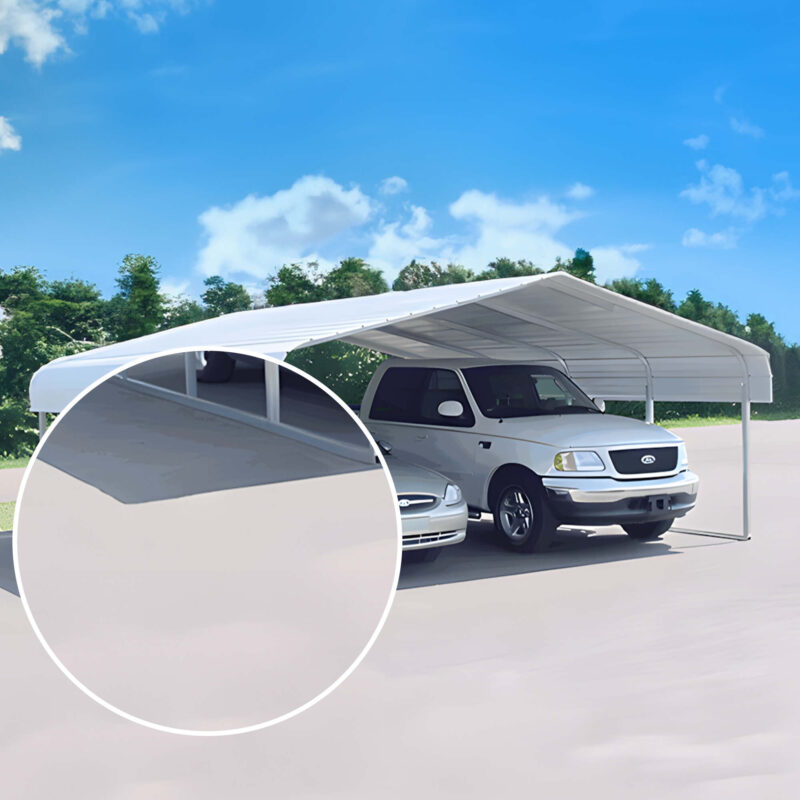
Durability and Stability
Concrete provides a flat, stable base that supports your garage structure effectively.
Protection from Elements
A concrete slab safeguards your garage from moisture, preventing rust and structural damage.
Versatility
Suitable for various uses, from vehicle storage to workshops, concrete foundations meet diverse needs.
Foundation Options and Their Uses
1. Ground or Gravel Foundation:
- Best For: Storing farm or garden equipment.
- Installation: Metal garages can be anchored securely with rebar or mobile home anchors.
- Limitations: Not ideal for garages housing vehicles due to potential instability and moisture issues.
2. Concrete Slab Foundation:
- Best For: Garages used for vehicles.
- Advantages: Provides a durable, level surface essential for vehicle maintenance and operation.
- Additional Cost: The second largest expense in your garage project, but crucial for long-term reliability.
Note: Options like asphalt foundations are primarily for carports and are unsuitable for enclosed garages due to chemical odors and ventilation concerns.
Cost Considerations for Your Garage Foundation
The foundation can significantly impact your total garage cost. Here are the main factors to consider:
1. Thickness:
Standard: 4-inch-thick concrete slab for most garages.
Heavy-Duty: 6-inch slab for garages housing heavy vehicles like RVs.
Tip: Consult with a concrete contractor to determine the appropriate thickness based on your specific needs.
2. Footings:
Requirement: Typically, footings should be at least 12 inches deep and 12 inches wide.
Purpose: Supports the garage walls and ensures structural integrity.
Local Codes: May require deeper footings based on frost lines and other conditions.
3. Slope:
Level Slab: Essential for smooth operation of garage doors and a flat workspace.
Drainage: A slight slope allows water to run away from the garage, protecting the foundation.
Attached Garages: May have a slight slope for drainage, but detached metal garages benefit from a flat slab.
4. Size:
Standard Requirement: Slab should be at least one foot wider and one foot longer than the garage footprint.
Custom Calculations: Use our Concrete Pad Size Calculator to determine the right slab size for your garage dimensions.
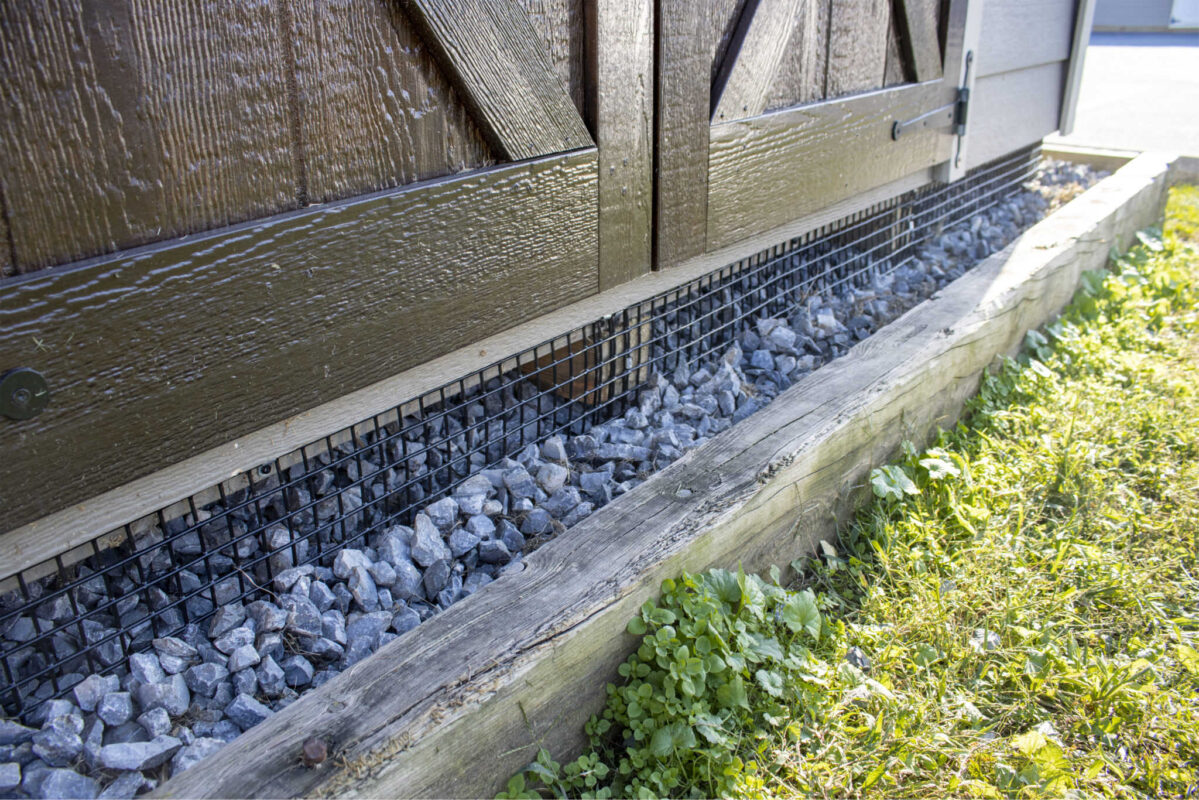
5. Edges:
Curtain Slopes: Prevent water pooling by slightly sloping the concrete edges.
Concrete Ledges: Create a small ledge to prevent water seepage under the garage frame.
6. Gravel Base:
Purpose: Provides a stable, moisture-resistant base for the concrete slab.
Recommendation: Always use compacted gravel before pouring the slab unless local regulations exempt it.
7. Vapor Barrier:
Function: Prevents ground moisture from seeping into the concrete slab.
Benefits: Enhances slab strength and reduces moisture-related issues in your garage.
8. Apron:
Ramp Area: A concrete apron in front of the garage serves as a ramp for easy vehicle access.
Driveway Planning: Determine the size based on your driveway layout and garage location.
Get Accurate Quotes for Your Foundation
Finding a Reliable Concrete Contractor:
-
Contact Ready Mix Suppliers:
- Ask for Recommendations: Speak with dispatchers for names of reputable local contractors.
-
Avoid Middleman Websites:
- Direct Search: Search for “concrete contractor near me” and contact them directly to avoid being sold to by multiple contractors through third-party sites.
-
Effective Communication:
- Key Questions:
- Do you pour foundations for detached metal garages?
- How many garage and carport foundations do you complete annually?
- What do you recommend for gravel and vapor barriers?
- How do you ensure proper concrete curing?
- What’s included in your quotes?
- Can you provide references from recent projects?
- Key Questions:
Pro Tip: Take detailed notes during your calls to compare contractors and choose the best fit for your project.
Get All the Details with Our Garage Buying Guide

DIY Foundation Tips
Save on Labor Costs with a DIY Foundation:
If budget constraints are a concern, pouring your own foundation might be a viable option. However, consider the following before proceeding:
-
Calculate Material Costs:
- Use Calculators: Contact us to estimate material quantities and costs.
-
Learn from Professionals:
- Online Courses: Consider taking a concrete slab course to avoid costly mistakes. Look for reputable instructors like Mike Day, who offer comprehensive training with money-back guarantees.
Caution: The foundation is critical for your garage’s longevity. Ensure you’re fully prepared and knowledgeable before attempting a DIY project.
About our Garage Series
Frequently Asked Questions
The minimum width for a single-car garage is typically 10 feet, with garage door sizes usually scaled down to 8 feet. However, for larger vehicles like SUVs, a wider garage (12 feet) is recommended to ensure the doors can open comfortably.
The average single-car garage size is 12 feet wide by 20 feet deep. Other common sizes include 12’x25’ and 18’x20’, offering more space for storage and larger vehicles.
While our sheds and garages are not designed as permanent living spaces, they can be customized and insulated for use as workshops, studios, or recreational areas. Always check with local building codes and zoning regulations before planning to use the building as a living space.
A standard garage is typically 18 to 20 feet long, providing enough depth for most vehicles and additional storage space.
For full-size pickups, a garage should be at least 24 feet deep. This ensures ample space to maneuver around the vehicle and prevents any tight parking situations.
Standard garage door sizes for a two-car garage are approximately 9 feet wide per door, totaling around 16 feet wide for two doors. This accommodates most sedans and SUVs comfortably.
A typical 4-car garage measures at least 36 feet wide by 24 feet deep, with individual door widths of about 16 feet. Larger garages may be required for bigger vehicles or additional storage needs.
For comfortable access, a garage should be at least 4 feet wider and deeper than the vehicle’s dimensions. For example, a car that is 6 feet wide would require a garage that is at least 10 feet wide.