


Chapter 6: Planning and Pricing Your Carport Foundation with Top Steel Shed
Choose the Perfect Foundation for Your Carport
Creating a sturdy and reliable foundation is essential for the longevity and functionality of your carport. At Top Steel Shed, we offer a variety of foundation options tailored to meet your specific needs and budget. Explore our comprehensive guide to help you choose the perfect foundation for your carport project.
WHY CHOSE US
Certified Metal Garages&Carport
Comes with a 1-year workmanship warranty and a 20-year warranty against rust, with optional 12-gauge steel framing and most roof panels.
Fast Delivery and Installation
Most of our metal garages&carports are delivered and installed within 30 to 60 days.
Risk-Free Guarantee
We offer a 100% refundable deposit until the day your metal garage&carport is delivered.

Contact Us for Your Custom Estimate
At Top Steel Shed, we offer fast, precise estimates for carports and garages. Contact us directly to budget your project easily.
What they’re saying
Foundation Options for Your Carport
Choosing the right foundation ensures your carport stands the test of time and provides the necessary support for your vehicles and equipment. Here are the top foundation options we offer:
1. Existing Driveway
Pros:
Cost-Effective: Utilizing your existing driveway can save on additional materials and labor.
Quick Installation: Faster setup since the driveway is already in place.
Considerations:
Level Surface: The driveway must be level within three inches across all corners to ensure proper installation.
Permits: Check with your local building department for any permit requirements.
Installation Methods:
Frame Anchoring: If your carport is wider than your driveway, we can securely anchor the frame beside the driveway using appropriate ground anchors.
Concrete Anchor Bolts: For concrete driveways that are at least one foot wider and longer than the carport, we can attach the carport frame directly to the driveway using concrete anchor bolts. Ensure the driveway is level, as uneven surfaces can affect the installation.
2. Ground
Pros:
Versatile: Suitable for various types of equipment storage, including farm and garden tools.
Cost-Effective: Minimal preparation costs compared to other foundation types.
Installation Details:
Ground Anchors: The carport is anchored directly to the ground using appropriate ground anchors.
Local Regulations: Ensure ground installations are permitted by your local building department.
Considerations:
Surface Suitability: Ideal for storing equipment but may not keep vehicles as clean as other foundation types.
Drainage: Proper grading is necessary to prevent water accumulation.
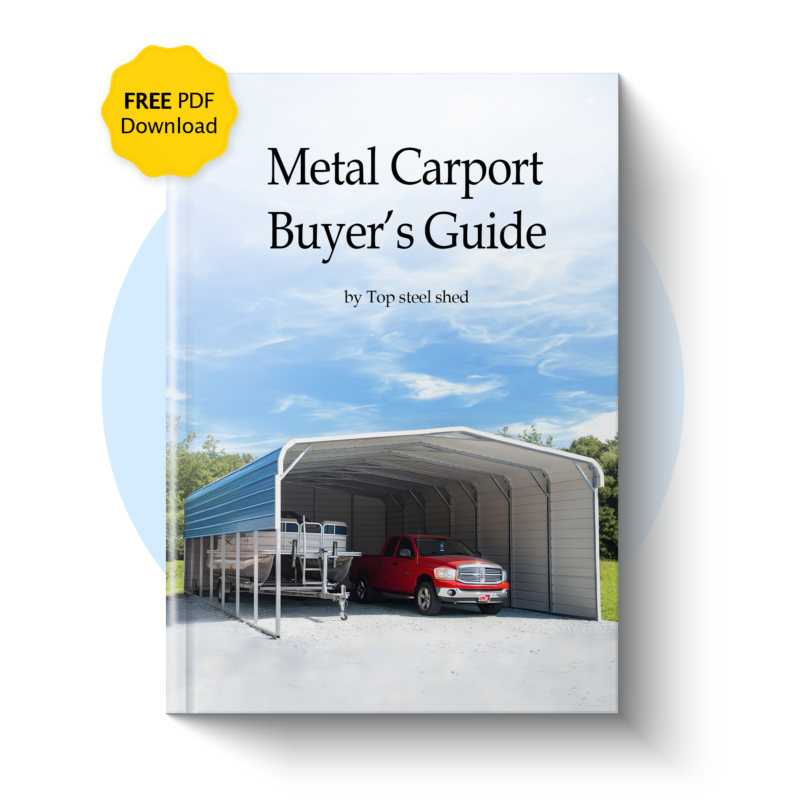
Get All the Details with Our Carport Buying Guide
3. Gravel Pad
A gravel pad is a popular and cost-effective foundation choice for metal carports.
Benefits:
Affordability: Generally cheaper than concrete or asphalt.
Drainage: Excellent water drainage properties.
Cost Estimate:
A 22’ x 22’ gravel pad typically costs between $250 and $500, including delivery. Excavation and labor costs vary based on local rates.
Preventing Water Pooling:
Ensure the surrounding ground slopes away from the carport by at least six inches over ten feet.
Use geotextile fabric to stabilize the gravel and prevent mud issues.
Gravel Pad Specifications:
Size: Recommended to be at least two feet wider and longer than your carport to allow space for walking and effective water runoff.
Depth: Four to six inches of gravel is ideal. More than six inches may require longer anchors or alternative installation methods.
Gravel Type: Use 3/4” crusher run mixed with smaller stones (e.g., #57 Aggregate, ABC Stone) for optimal compaction and stability.
Preparation Steps:
Remove Topsoil: Clear the installation area of any vegetation and topsoil.
Level the Site: Ensure the ground is as level as possible.
Geotextile Fabric (Optional): Lay down woven geotextile fabric to prevent gravel from mixing with the soil.
Add Gravel: Spread at least four inches of crusher run gravel.
Compact the Gravel: Use a compactor or tamper to achieve a solid, level surface.
Final Level Check: Verify that the gravel pad is level and properly graded to prevent water pooling.
4. Concrete Slab
A concrete slab offers the most durable and stable foundation for your carport.
Pros:
Durability: Long-lasting and highly stable.
Low Maintenance: Requires minimal upkeep once installed.
Cons:
Cost: More expensive than gravel or asphalt, especially if professionally installed.
Labor-Intensive: Requires precise installation to ensure proper curing and leveling.
5. Asphalt
Asphalt is a budget-friendly alternative to concrete but may not be suitable for all climates and uses.
Asphalt Pros:
Affordable: Up to 50% cheaper than concrete.
Cold Climate Friendly: Performs well in areas with frequent freezing and the use of salt for ice removal.
Stain Resistant: Grease stains blend into the asphalt surface.
Best For:
Cold regions with heavy snowfall and frequent salting. Otherwise, gravel or concrete is recommended for most carport bases.
Asphalt Cons:
Softness: Can deform under heavy loads and soften in extreme heat.
Maintenance: Requires re-sealing every few years.
Longevity: Doesn’t last as long as concrete and has a less appealing appearance.
Choosing the Right Foundation for Your Carport
Selecting the appropriate foundation depends on several factors, including your budget, climate, intended use, and local regulations. Here’s a quick comparison to help you decide:
| Foundation Type | Cost | Durability | Maintenance | Best For |
|---|---|---|---|---|
| Existing Driveway | Low | Moderate | Low | Cost-saving, quick installation |
| Ground | Low | Moderate | Low | Equipment storage |
| Gravel Pad | Medium | High | Low | Versatile, excellent drainage |
| Concrete Slab | High | Very High | Low | Long-term durability |
| Asphalt | Low | Low | High | Budget-friendly, cold climates |
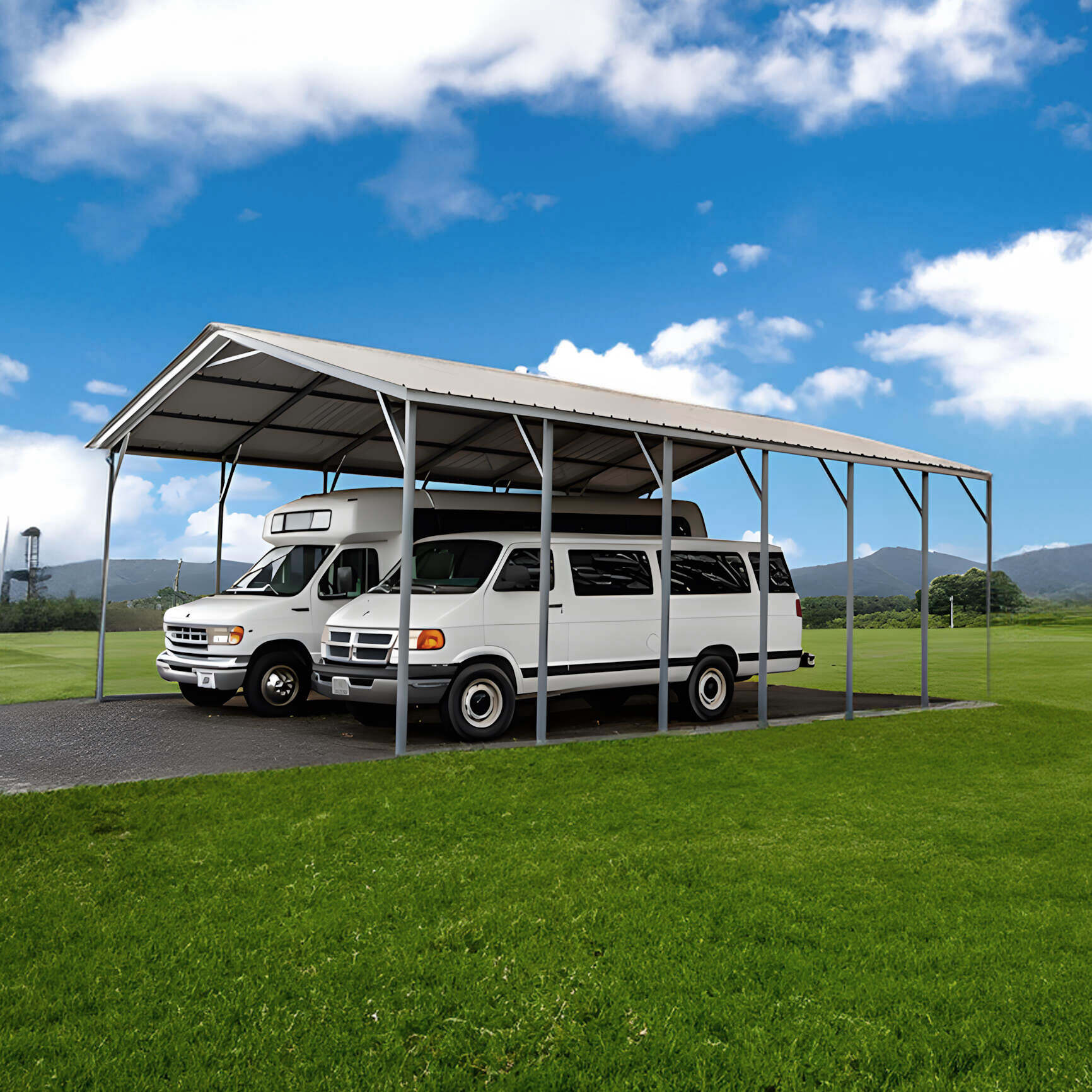
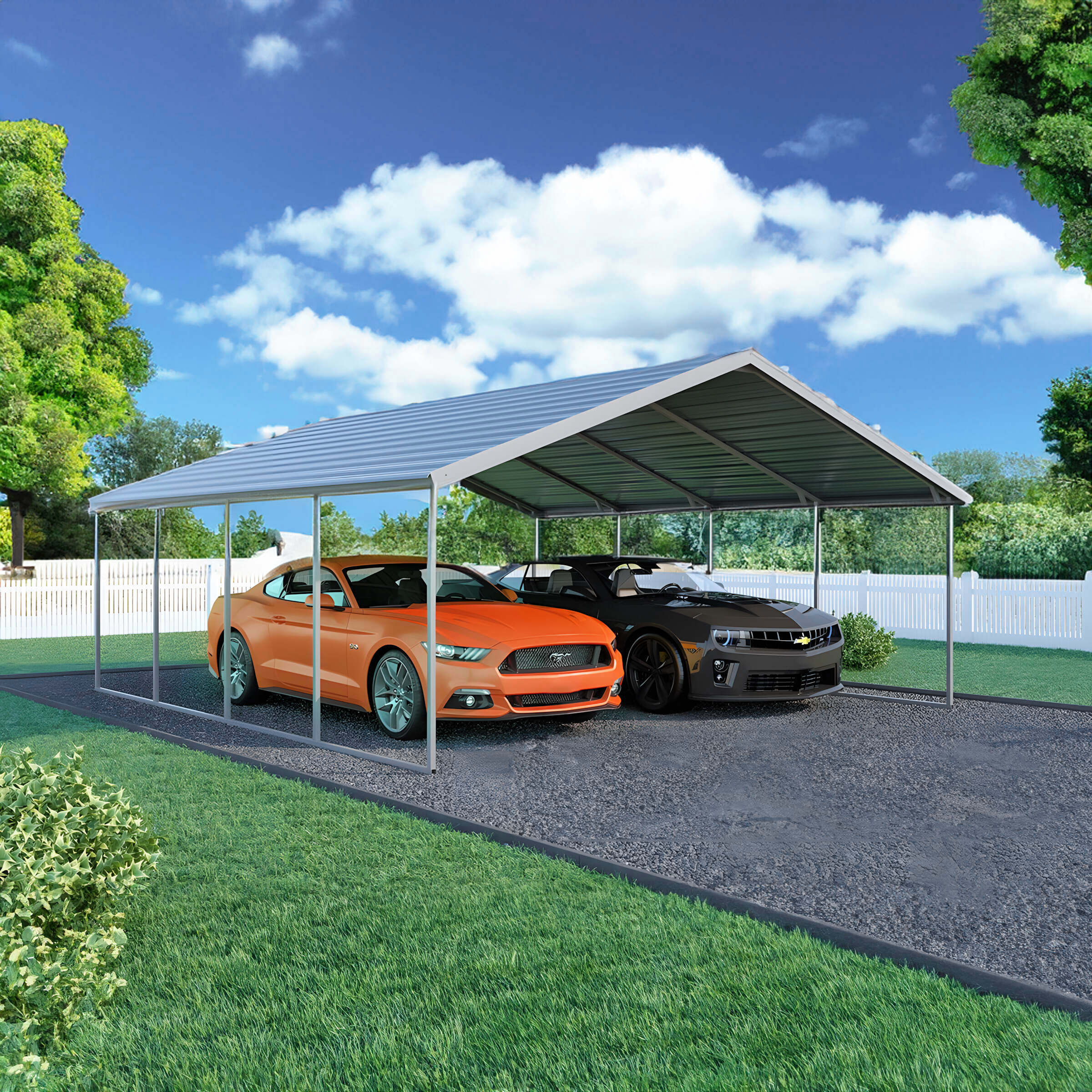
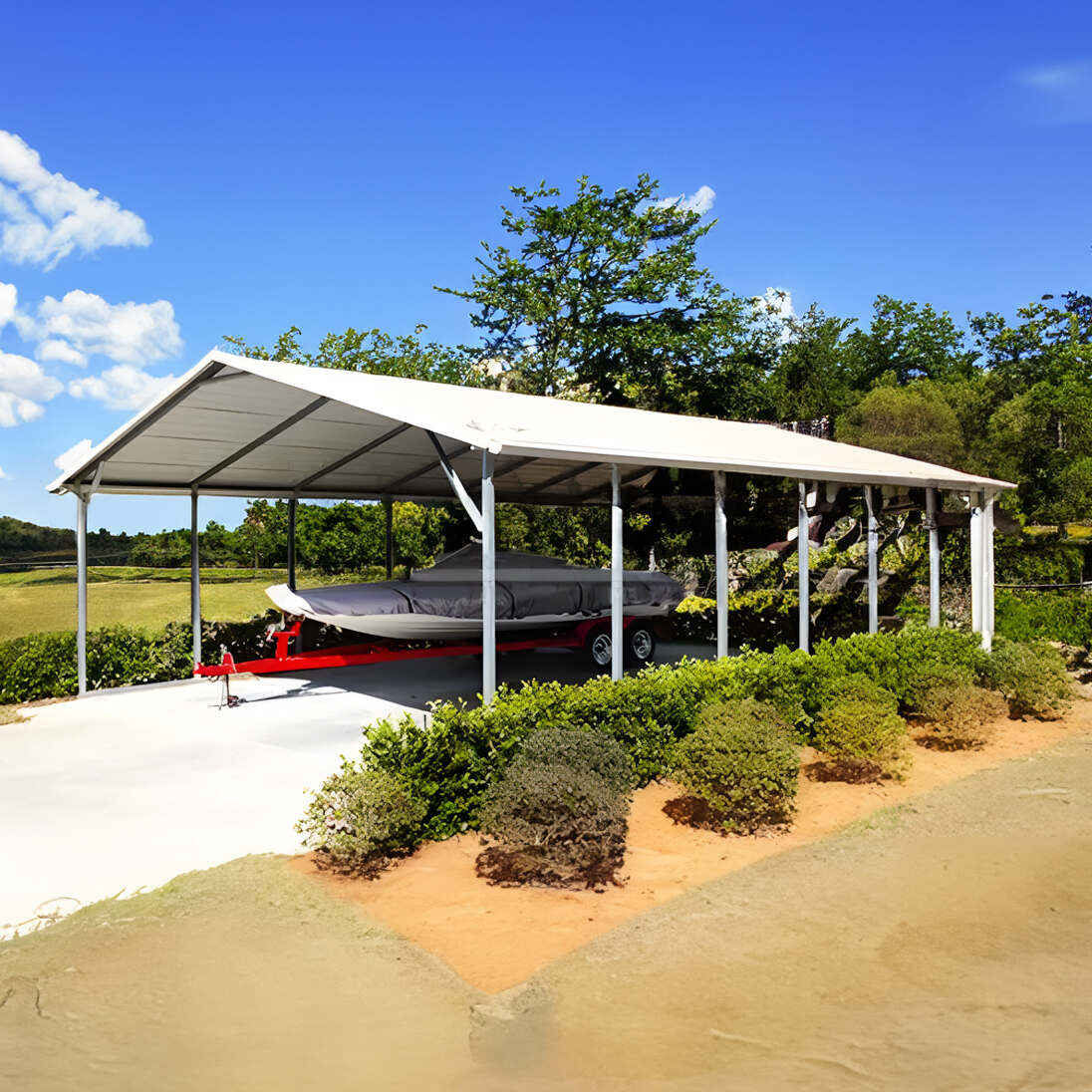
About our Carport Series

Frequently Asked Questions
Yes, most foundation installations require a permit. Requirements vary by location, so it’s essential to consult with your local building department. Our team at Top Steel Shed can assist you in navigating the permitting process to ensure compliance.
The installation timeline depends on the foundation type and site conditions. Gravel pads typically take one to two days, while concrete slabs may require several days to cure. Asphalt installations usually take a day. We strive to complete all projects efficiently without compromising quality.
Absolutely! If you start with a gravel pad and later decide to upgrade to a concrete slab, our team can help you plan and execute the transition smoothly.
If your site is uneven, grading or leveling will be necessary before foundation installation. We recommend addressing any slope issues to ensure proper drainage and stability of your carport.
Yes, gravel pads and certain concrete mixes can be environmentally friendly choices. We offer options that minimize environmental impact while providing a durable foundation for your carport.