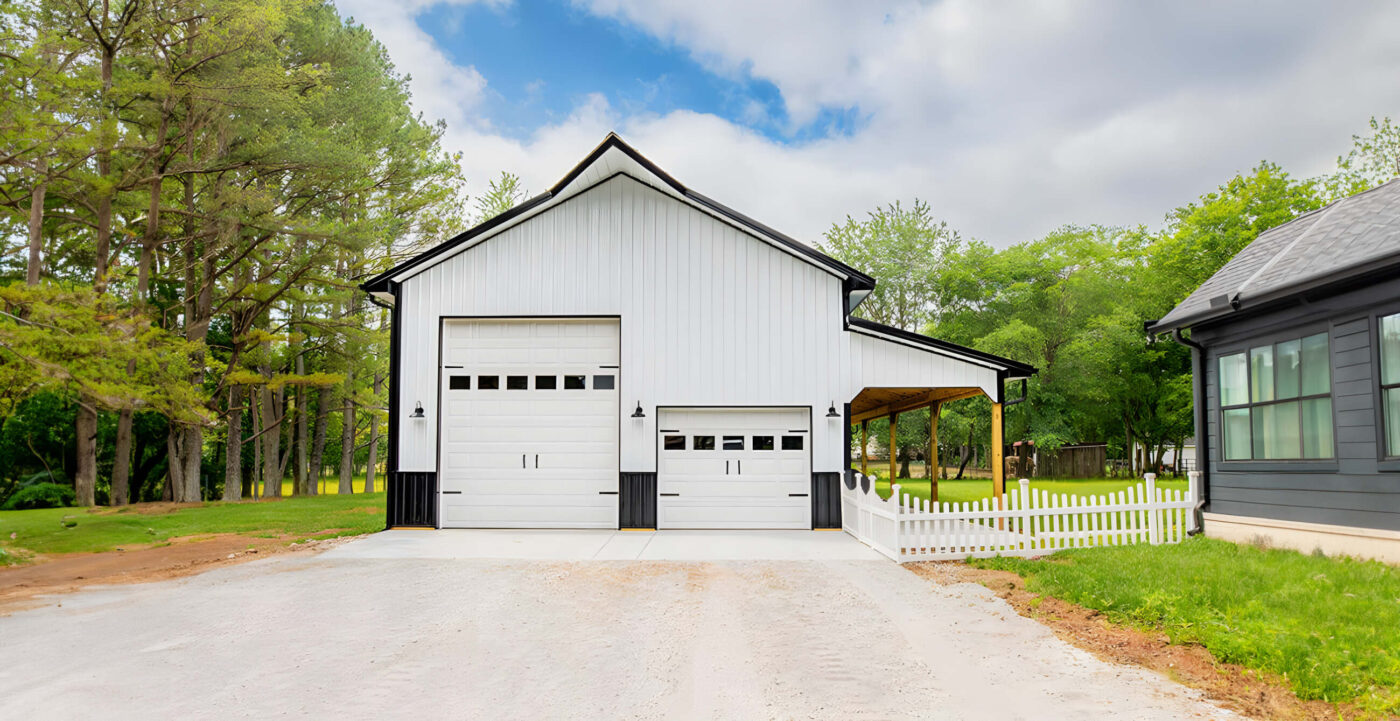


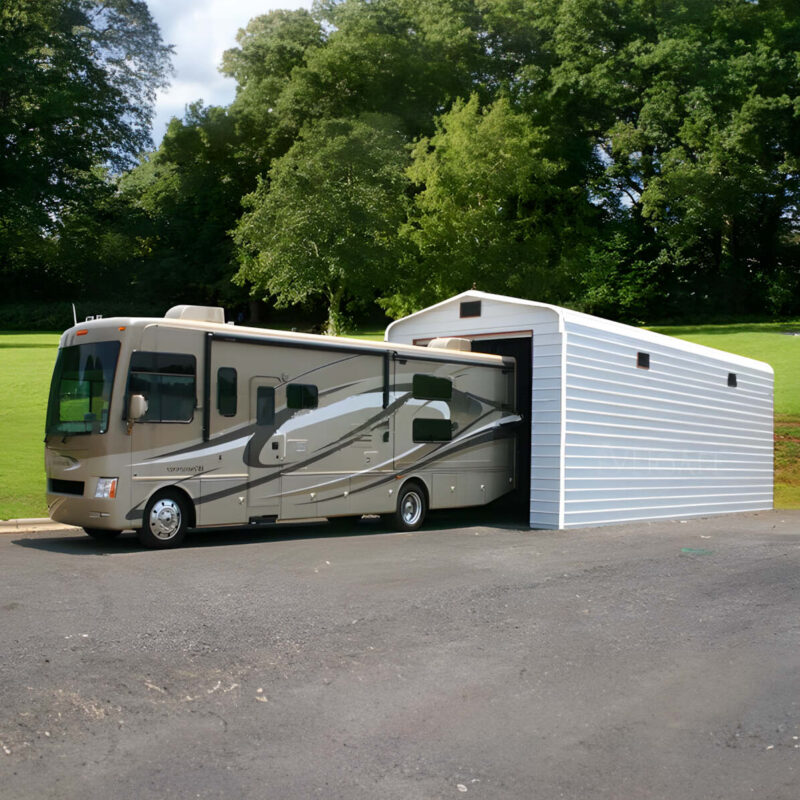
In today’s fast-paced world, effective transportation management is essential for any transit authority or bus operator. A well-designed bus garage not only ensures the security of your vehicles but also maximizes space utilization, ultimately leading to enhanced operational efficiency. In this article, we will explore the key considerations for creating an ideal bus garage that meets your needs.
Understanding the Importance of a Bus Garage
A bus garage serves as the central hub for your fleet operations. It’s where buses are parked, maintained, and often dispatched. The significance of having a dedicated space cannot be overstated. Here’s why:
- Vehicle Security: A bus garage protects your investment from theft and vandalism.
- Maintenance Efficiency: Having a designated area for maintenance helps streamline operations and ensures that your buses are always in top condition.
- Space Optimization: A well-planned garage makes the most of your available space, allowing for easier maneuverability and storage.

Key Features of an Effective Bus Garage
When designing or selecting a bus garage, consider the following essential features to maximize both space and security:
1. Adequate Space for Buses
The first consideration is ensuring that the garage has sufficient space to accommodate all buses in your fleet. This includes:
- Length and Width: Ensure the dimensions allow for easy entry and exit.
- Vertical Clearance: Higher ceilings can facilitate maintenance work and storage of larger buses.
- Parking Configurations: Consider angled parking layouts to optimize space usage.
2. Security Systems
To protect your buses, it’s crucial to implement robust security measures. These might include:
- Surveillance Cameras: Install high-quality cameras that provide real-time monitoring of the garage.
- Access Control Systems: Use keycard access or biometric systems to restrict entry to authorized personnel only.
- Alarm Systems: Equip the garage with alarms that alert you to unauthorized access or suspicious activity.
3. Maintenance Facilities
Integrating maintenance facilities into the bus garage can significantly improve operational efficiency. Essential components include:
- Workshops: Designate areas for routine maintenance and repairs.
- Equipment Storage: Ensure there’s space for tools and spare parts to keep your buses running smoothly.
- Wash Bays: Include wash areas to maintain cleanliness and condition of the fleet.
4. Office Space
Don’t forget about the administrative side of operations. An office within the garage can provide:
- Management Area: Space for staff to coordinate schedules and maintenance.
- Driver Facilities: Include areas for drivers to rest and prepare for their shifts.
- Meeting Rooms: Designate rooms for training and staff meetings.
5. Environmental Considerations
As sustainability becomes increasingly important, incorporating eco-friendly features can be beneficial. Options to consider include:
- Energy-Efficient Lighting: Use LED lights to reduce energy consumption.
- Solar Panels: Consider installing solar panels to offset energy costs.
- Rainwater Harvesting: Implement systems to collect and utilize rainwater for vehicle washing.
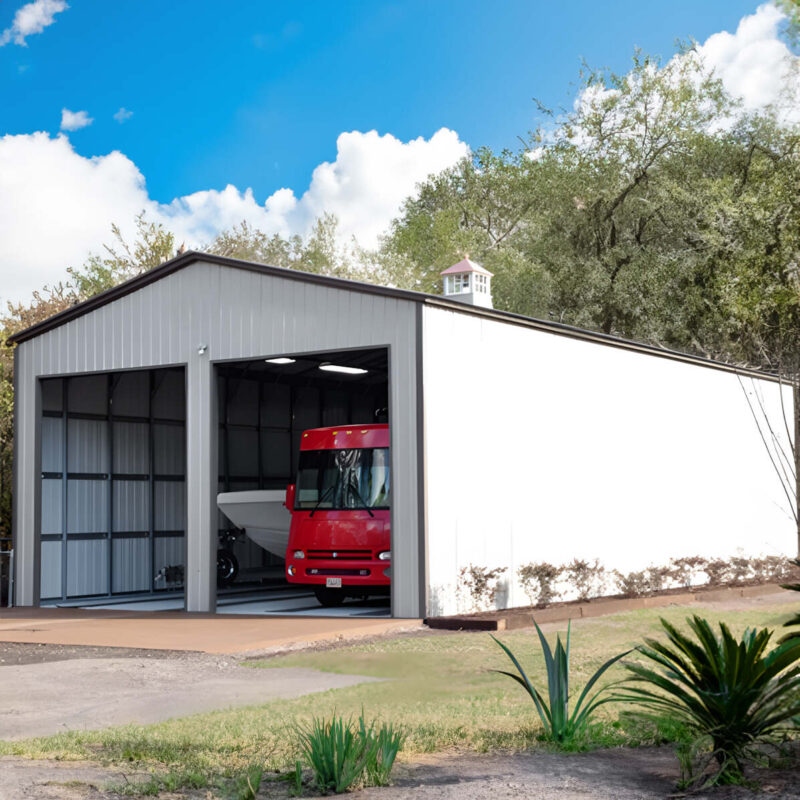
Planning Your Bus Garage Layout
Creating an efficient layout is crucial for maximizing space and security. Here are a few tips for planning your bus garage:
- Flow of Traffic: Design the garage layout to facilitate smooth traffic flow, minimizing congestion during peak hours.
- Zoning: Separate areas for parking, maintenance, and administrative functions to reduce noise and improve efficiency.
- Future Expansion: Consider potential growth of your fleet and leave room for future expansions in your design.
The Cost-Benefit Analysis of a Bus Garage
While the initial investment in a bus garage can be significant, the long-term benefits often outweigh the costs. Here’s why:
- Reduced Operational Costs: A dedicated space reduces wear and tear on your vehicles and can lower insurance premiums.
- Increased Productivity: With proper facilities, maintenance can be performed more efficiently, reducing downtime.
- Enhanced Vehicle Lifespan: A secure and well-maintained environment can prolong the lifespan of your buses, resulting in cost savings over time.
Conclusion
Investing in a well-designed bus garage is essential for any transit authority or bus operator looking to maximize space and security. By prioritizing key features and planning for future needs, you can create an efficient and safe environment for your fleet. Remember, a secure bus garage not only protects your investment but also enhances your overall operational efficiency. Take the time to assess your current facilities and consider how a dedicated bus garage can elevate your operations to the next level.