


When it comes to protecting your vehicle from the elements, a car port is one of the most practical and affordable solutions. Whether you’re looking to shield your car from the sun, rain, or snow, a carport can provide the necessary protection without the high cost and complexity of a full garage. However, before you build your carport, it’s essential to understand the key features that will ensure your new shelter is both functional and durable.
At Top Steel Shed, we specialize in premium metal car ports that offer a blend of reliability, style, and value. In this article, we’ll walk you through the crucial car port features you need to consider before installation. From size and material to design and maintenance, we’ve got you covered!
1. Size and Dimensions: Get the Right Fit for Your Vehicle
One of the first considerations when planning your carport is size. The size of your car port will largely depend on the type of vehicles you plan to shelter, as well as any additional storage needs.
- Single Carport: If you only need space for one vehicle, a single car port typically measures between 12 to 20 feet in length and 12 to 14 feet in width. This is perfect for most standard cars, trucks, and SUVs.
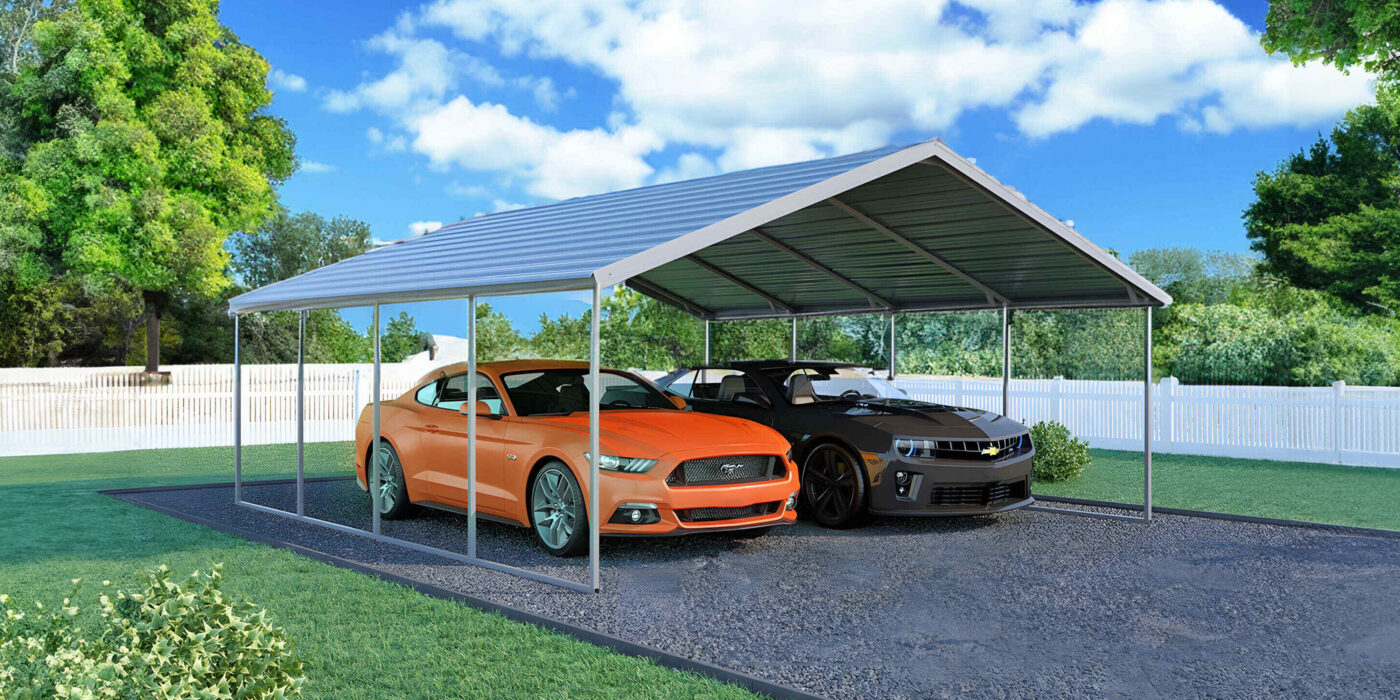
- Double Carport: For two vehicles, a double carport will generally need to be at least 20 feet wide and 20 to 24 feet in length. This extra width ensures that both vehicles can park side by side with enough space for easy access.
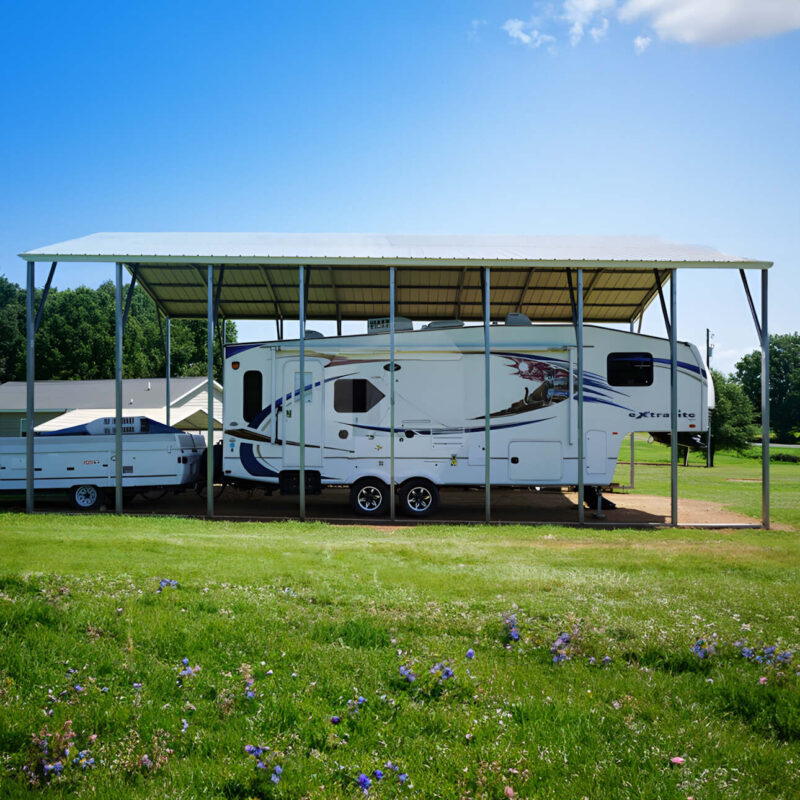
- Custom Carports: If you own larger vehicles, like an RV or boat, you will need a carport with increased height and width. RV car ports, for instance, may need to be 12 to 16 feet high to accommodate the clearance required for larger vehicles.
The key here is to measure your vehicle(s) carefully and factor in enough space for easy maneuvering and storage. At Top Steel Shed, we offer customizable metal carports to fit your exact specifications, ensuring your shelter is the perfect size.
2. Material Choices: Durability and Protection
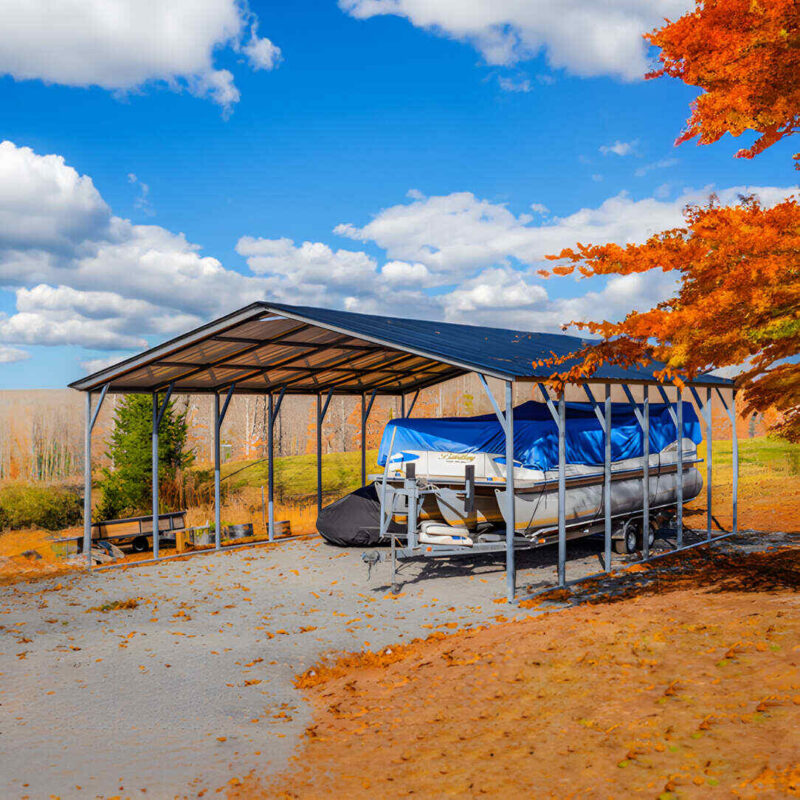
The material you choose for your car port plays a critical role in its durability, maintenance, and overall performance. Metal car ports are among the most popular options because they are strong, long-lasting, and resistant to various weather conditions. Below are the most common materials used in carport construction:
- Steel Carports: Steel is a top choice for car port construction due to its unmatched strength. Galvanized steel is particularly resistant to rust and corrosion, making it ideal for areas with frequent rain or snow. Steel car ports can withstand high winds, heavy snow, and even hail, offering superior protection for your vehicles.
- Aluminum Carports: Aluminum car ports are lightweight and less expensive than steel but still offer good durability. Aluminum is resistant to rust, making it an ideal option for coastal areas or places with high humidity. However, aluminum car ports may not be as strong as steel and might not offer the same level of protection against extreme weather.
At Top Steel Shed, we specialize in metal car ports crafted from high-quality galvanized steel, ensuring durability and long-term protection for your vehicles.
3. Roof Styles: Choose the Right Design for Function and Aesthetic
The roof design of your car port is another important feature to consider. Different roof styles offer various levels of protection and aesthetic appeal. Here are the most common roof styles used for carports:
- Regular Style Roof: The regular style roof is the most affordable option, characterized by a traditional, rounded shape. While it’s suitable for basic needs, it may not be as durable as other roof styles, particularly in areas with heavy snow or rain.
- A-Frame Roof: A-frame roofs are designed with a peaked shape that allows snow and rain to slide off more easily. This roof style is more durable and offers better protection against harsh weather conditions than the regular style roof. It’s a popular choice for those looking for both function and style.
- Boxed Eave Roof: The boxed eave roof combines the A-frame design with a horizontal panel layout. This style provides the same weather protection as the A-frame roof but offers a sleeker, more modern look. It’s ideal for homeowners who want a high level of durability and a contemporary design.
When choosing the roof style for your carport, consider your climate and aesthetic preferences. At Top Steel Shed, we offer a variety of roof styles to match your needs and budget.

4. Open or Closed Sides: Decide the Level of Protection You Need
Another important decision is whether you want an open or enclosed carport. While most carports are open-sided, you can opt for partial or fully enclosed sides for added protection.
- Open-Sided Carports: Open-sided car ports are the most common option and provide basic protection from the elements. They allow for maximum ventilation, which helps prevent the buildup of moisture and condensation inside the shelter. This is typically the best choice for people looking for a budget-friendly, functional solution.
- Enclosed Carports: If you want extra protection from wind, rain, or even theft, you may opt for an enclosed car port. With side panels or walls, an enclosed carport offers greater security and privacy. You can choose to fully enclose the structure or have partial panels on the sides.
At Top Steel Shed, we offer both open and enclosed metal carports, allowing you to customize your structure based on your specific needs for protection and storage.
5. Foundation: Stability and Durability
Before installing your carport, it’s important to prepare a stable foundation. A solid foundation ensures that your structure remains secure and durable for years to come. Here are the most common foundation options for car ports:
- Concrete Slab Foundation: A concrete foundation is the most permanent and stable option. It’s ideal for areas with unstable or uneven ground. A concrete slab provides excellent support for your carport and ensures long-term stability.
- Gravel or Dirt Foundation: If you don’t want to invest in a concrete foundation, a gravel or dirt foundation may be sufficient. It’s a more affordable option, but it’s not as durable or stable as concrete.
- Anchored Foundation: For additional stability, you can anchor your car port to the ground using stakes or bolts. This is especially important in areas with high winds or heavy storms.
A proper foundation is critical to the longevity of your carport, and at Top Steel Shed, we provide guidance on foundation preparation to ensure your structure is properly supported.
6. Maintenance: Keep Your Carport in Top Condition
To ensure your carport remains functional and durable for years, regular maintenance is essential. Here are a few maintenance tips:
- Clean the Roof: Regularly clean the roof to remove leaves, branches, and debris that can accumulate and cause damage or block drainage.
- Inspect for Rust or Corrosion: While metal carports are resistant to rust, it’s still important to inspect for signs of corrosion, especially after heavy storms.
- Tighten Fasteners: Over time, bolts and screws can loosen. Check the fasteners periodically to ensure the carport remains securely in place.
At Top Steel Shed, we design metal carports that require minimal maintenance, but we provide tips and support to ensure your carport lasts for years.
Conclusion: Choose the Perfect Carport for Your Home
Building a carport is a practical and cost-effective solution for protecting your vehicles and outdoor equipment. By considering key car port features—such as size, material, roof style, and foundation—you can ensure that your new structure meets your needs for protection, durability, and style.
If you’re ready to start building your carport, Top Steel Shed offers customizable options to fit any property and budget. Visit our website today to explore our range of metal car ports and get expert advice on the best solution for your home.
